FAST FASHION HAS A FURNITURE PROBLEM TOO
Why the things we bring into our homes should be chosen to last.
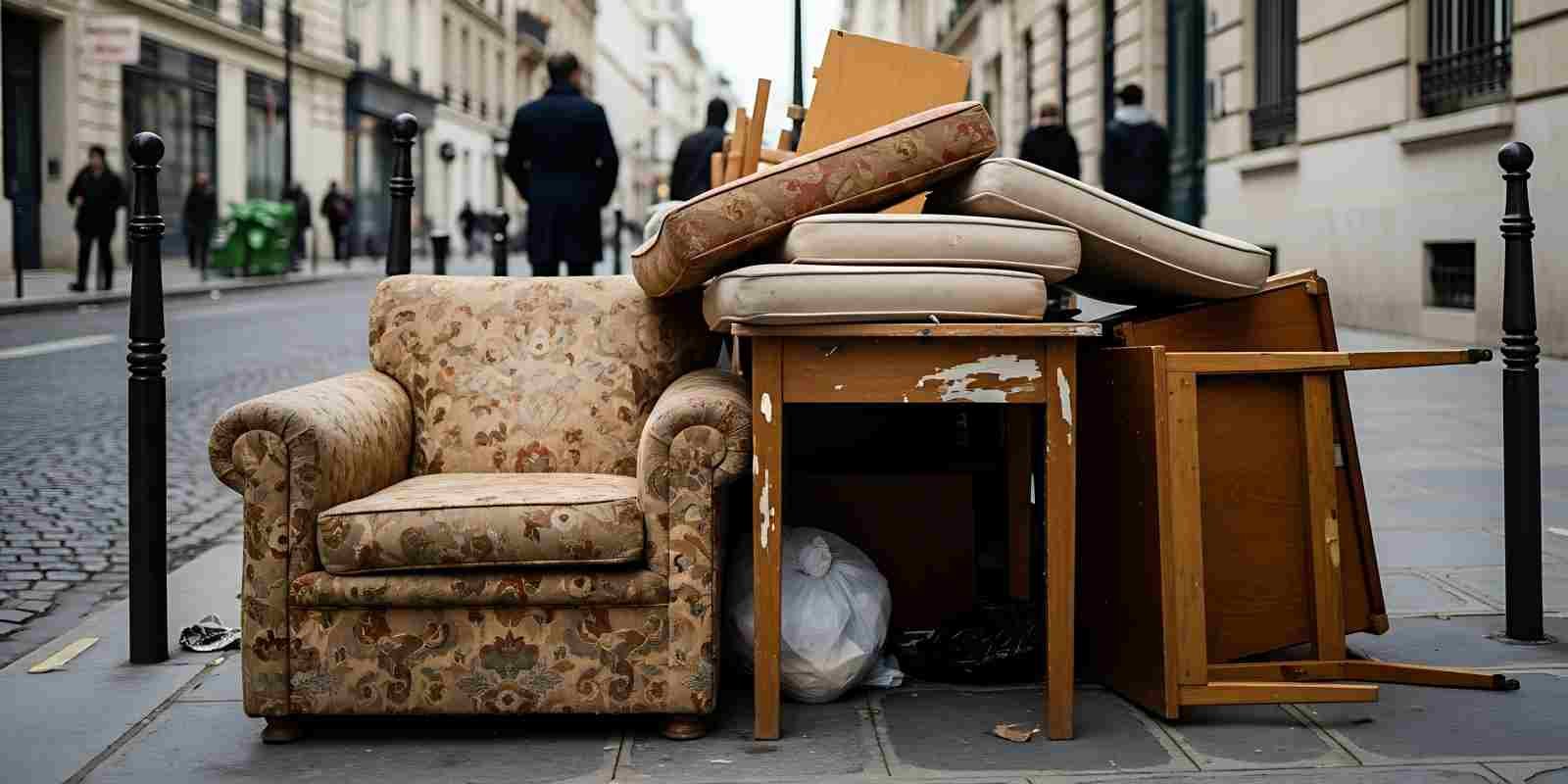
Image via 123Junk
We have learned to question fast fashion. We talk about where our clothes come from, how they are made, who makes them, and where they go when we are finished with them. But we rarely ask the same questions about our furniture, and perhaps we should. The rise of fast furniture has changed the way we furnish our homes. Pieces are inexpensive, readily available, delivered quickly, and often designed around whatever aesthetic is trending at the moment. A room can be transformed almost overnight, but what happens a few years later?
There was a time when a dining table was expected to survive decades. A chair could be repaired, a sofa could be reupholstered, and a dresser might move from one house to another and eventually from one generation to the next. Today, much of the furniture market operates differently. In the United States, about 12.1 million tons of furniture and furnishings entered the municipal waste stream in 2018, compared with about 2.2 million tons in 1960. More than 80 percent was landfilled. That is an extraordinary amount of material for objects that were supposed to make our homes better. The problem is not simply that we are buying furniture. It is that we have begun treating furniture as temporary.
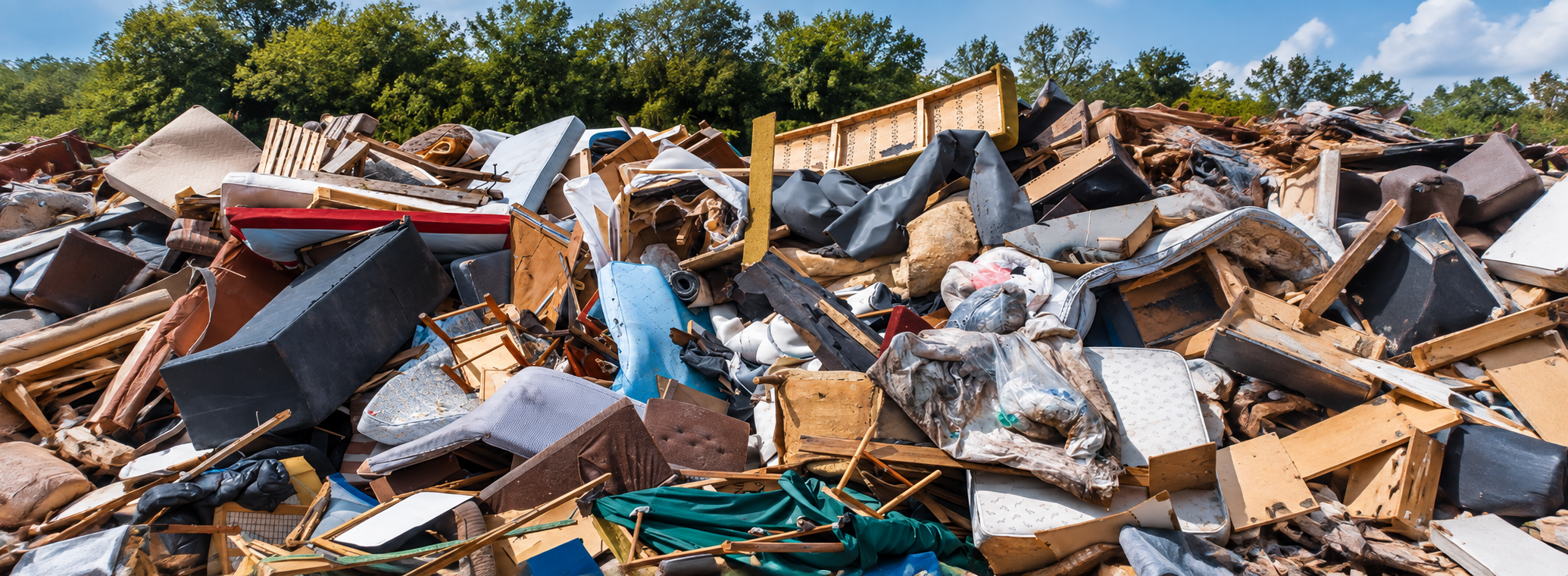
Image via Gat Creek
The Pandemic Accelerated the Shift
During the pandemic, this shift accelerated. As our homes suddenly became our offices, classrooms, restaurants, and almost our entire worlds, we began paying much more attention to the spaces around us, and many of us wanted to change them. At the same time, shopping moved rapidly online. U.S. e-commerce sales increased by 43 percent in 2020, and buying larger items like desks, chairs, sofas, and tables online, often without ever seeing or touching them first, became increasingly normal.
That convenience changed the way we evaluate furniture. Online, it is easy to fall in love with a photograph, a trend, or an attractive price, but much harder to understand the materials, construction, finish, and craftsmanship behind the image. A piece may look beautiful on a screen, but can it withstand everyday life? Can it be repaired, refinished, or survive several moves? The pandemic did not create fast furniture, but it accelerated a culture of buying furniture quickly and conveniently, making questions about quality and longevity even more important.
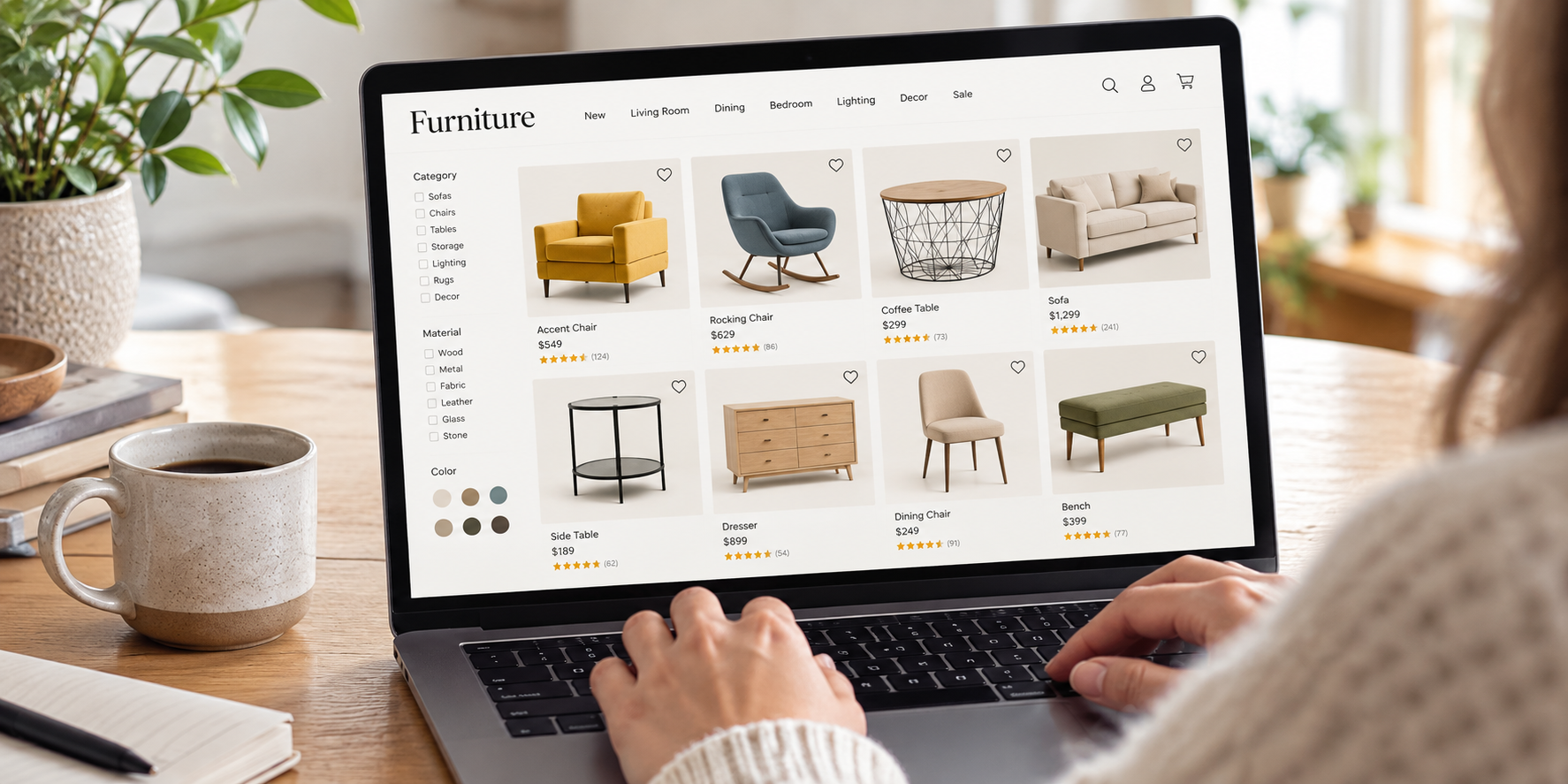
Image via AI
What Are We Actually Buying?
Many inexpensive pieces use engineered materials such as particleboard and MDF rather than traditional solid-wood construction. That does not automatically make these materials bad. MDF and particleboard have legitimate applications in design, and quality varies enormously. What matters is how a piece is designed and constructed. Can it be repaired or refinished? Can a damaged component be replaced? Can it survive being moved from one home to another? Could someone reasonably still use it twenty years from now? These questions tell us much more about the longevity and sustainability of furniture than a trend label ever could.
Materials matter too. Composite wood products can contain resins that emit formaldehyde, which is why the United States regulates emissions from MDF, particleboard, and hardwood plywood under federal standards. This does not mean that every piece of MDF furniture is dangerous. It means that materials, adhesives, finishes, manufacturing standards, construction, and durability all deserve consideration when we decide what to bring into our homes. As a designer, I think we need to look beyond how a piece photographs and ask a much more important question: How was it made, and was it made to last?
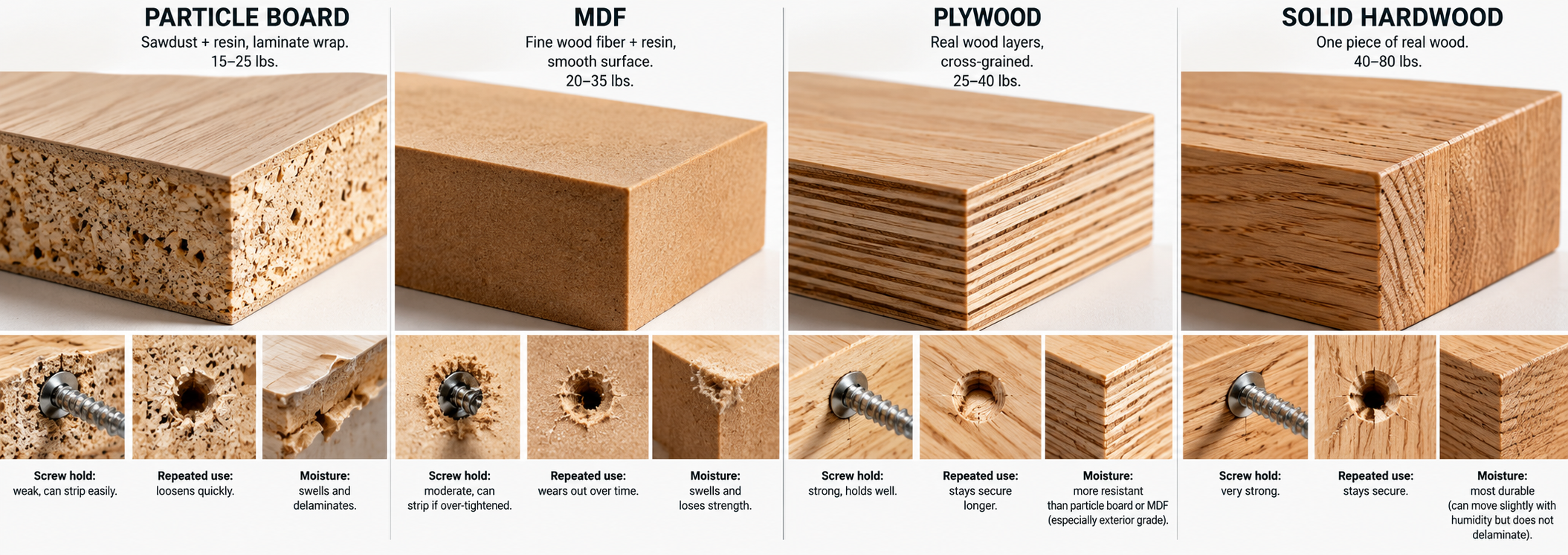
Image via Google
The Most Sustainable Piece May Already Exist
Sustainable design does not mean that every piece in your home needs to be antique, handmade, or expensive. It means becoming more intentional. Before replacing something, ask whether it can be repaired, refinished, reupholstered, or reimagined. Before buying new, look at what already exists. When you do buy something new, look beyond the photograph and the price tag. Look at the materials, construction, craftsmanship, and how the piece is joined together. Consider whether it can be repaired and whether you genuinely love it enough to want to live with it for years.
Perhaps most importantly, we can resist the idea that our homes need to change every time the algorithm tells us there is a new aesthetic. Our homes should evolve with us. They should collect memories, objects, art, furniture, and pieces of our lives over time. They do not need to be constantly replaced in order to feel current or beautiful. Thoughtful design is not about chasing every trend. It is about creating a home that continues to feel meaningful as you change.
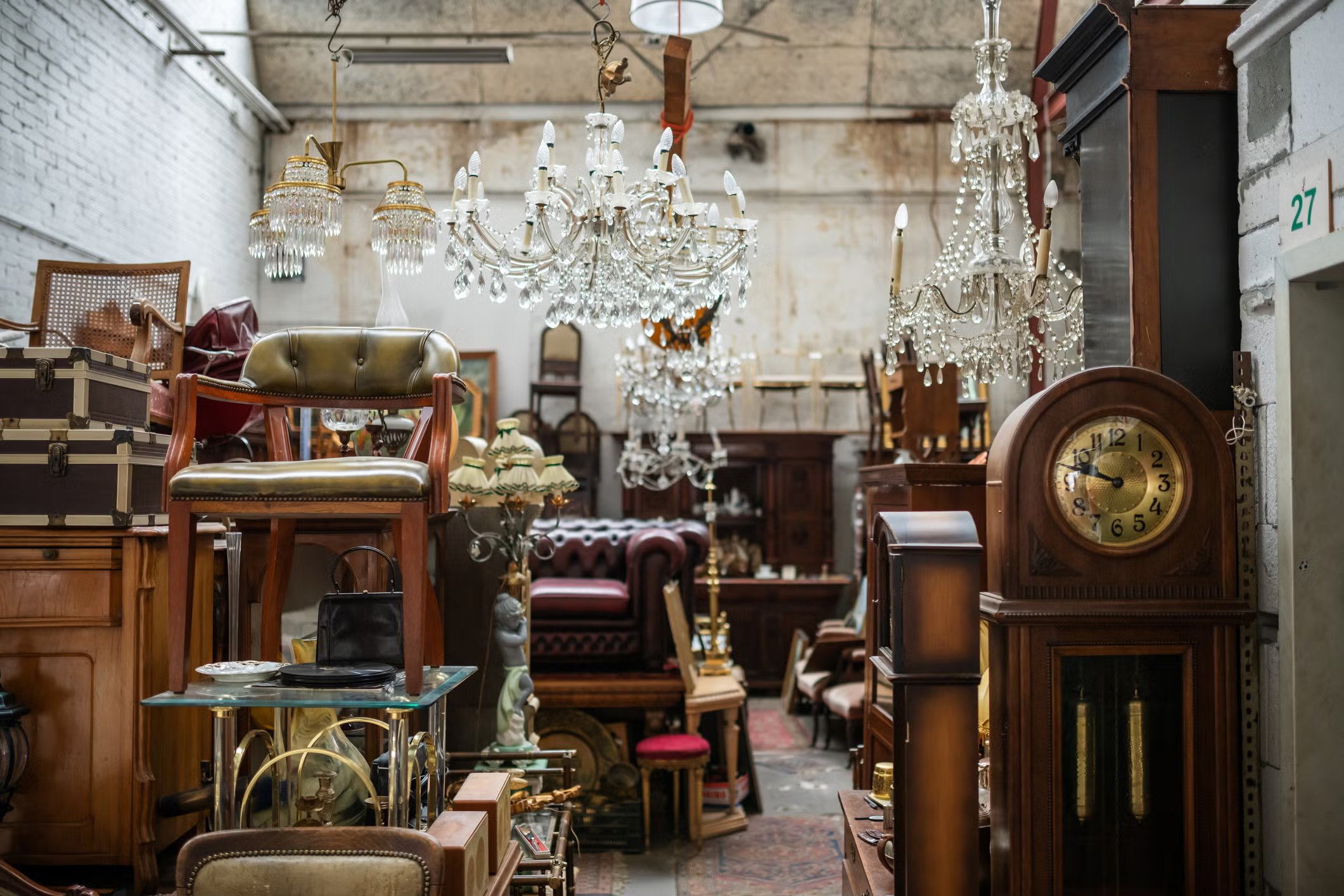
Image via Veranda
Buy Fewer. Choose Better. Keep Longer.
Sustainable design does not mean that every piece in your home needs to be antique, handmade, or expensive. It means becoming more intentional. Before replacing something, ask whether it can be repaired, refinished, reupholstered, or reimagined. Before buying new, look at what already exists. When you do buy something new, look beyond the photograph and the price tag. Look at the materials, construction, craftsmanship, and how the piece is joined together. Consider whether it can be repaired and whether you genuinely love it enough to want to live with it for years.
Perhaps most importantly, we can resist the idea that our homes need to change every time the algorithm tells us there is a new aesthetic. Our homes should evolve with us. They should collect memories, objects, art, furniture, and pieces of our lives over time. They do not need to be constantly replaced in order to feel current or beautiful. Thoughtful design is not about chasing every trend. It is about creating a home that continues to feel meaningful as you change.
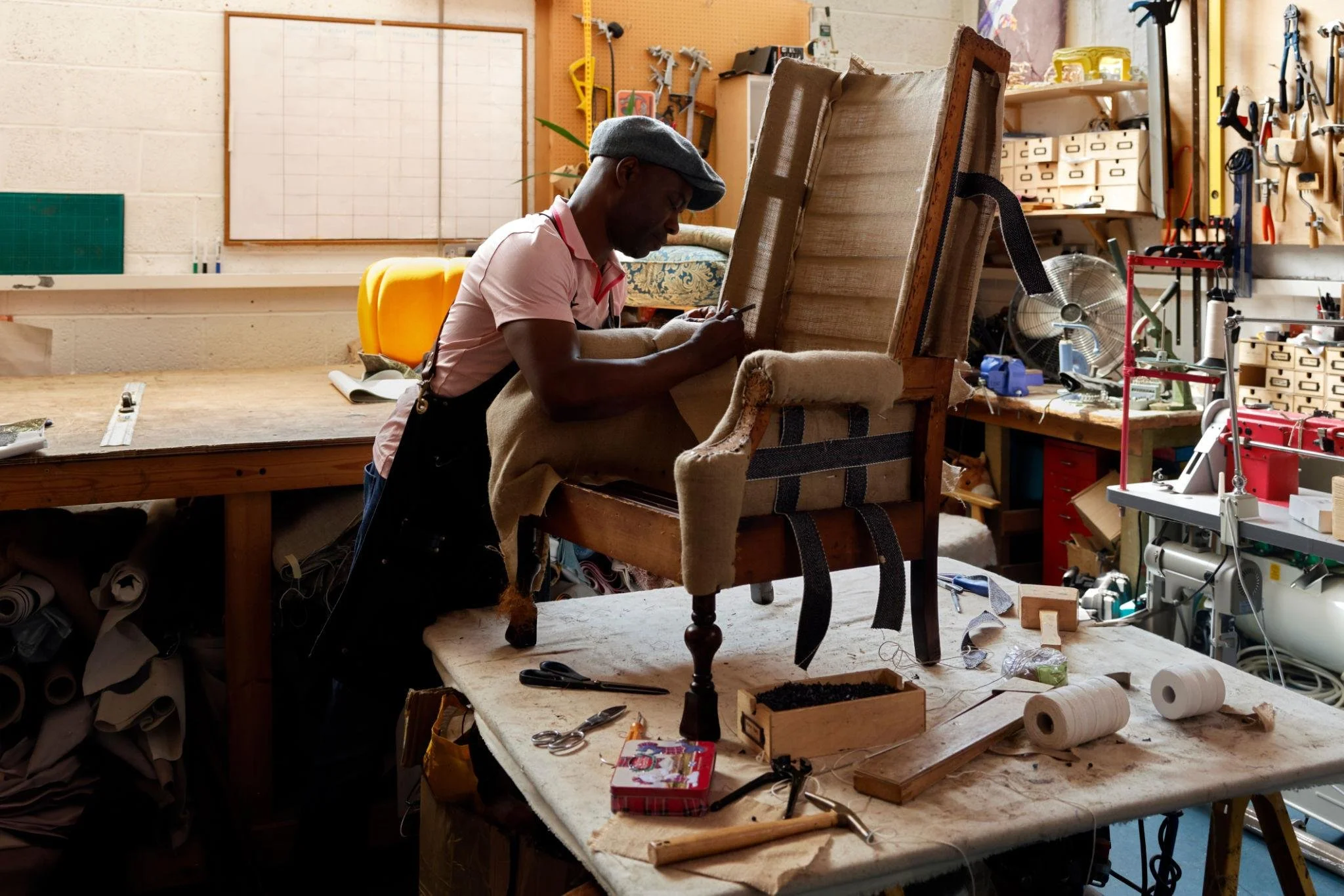
Image via Google
Design for a Longer Life
I think good design should age. Wood develops a patina. Leather softens. Brass changes. A dining table collects marks from dinners, celebrations, homework, conversations, and everyday life. A chair can be recovered instead of discarded. Those imperfections do not necessarily diminish an object. Sometimes they are precisely what gives it character. They become part of its story and, eventually, part of ours.
The goal isn't simply to own furniture for a long time. The goal is to choose things worth keeping. To me, that is a very different way of thinking about interior design, and perhaps a much more beautiful one. Instead of asking what we should buy next, perhaps we should occasionally ask what deserves to remain, what can be restored, and what can become part of the next chapter of our homes.
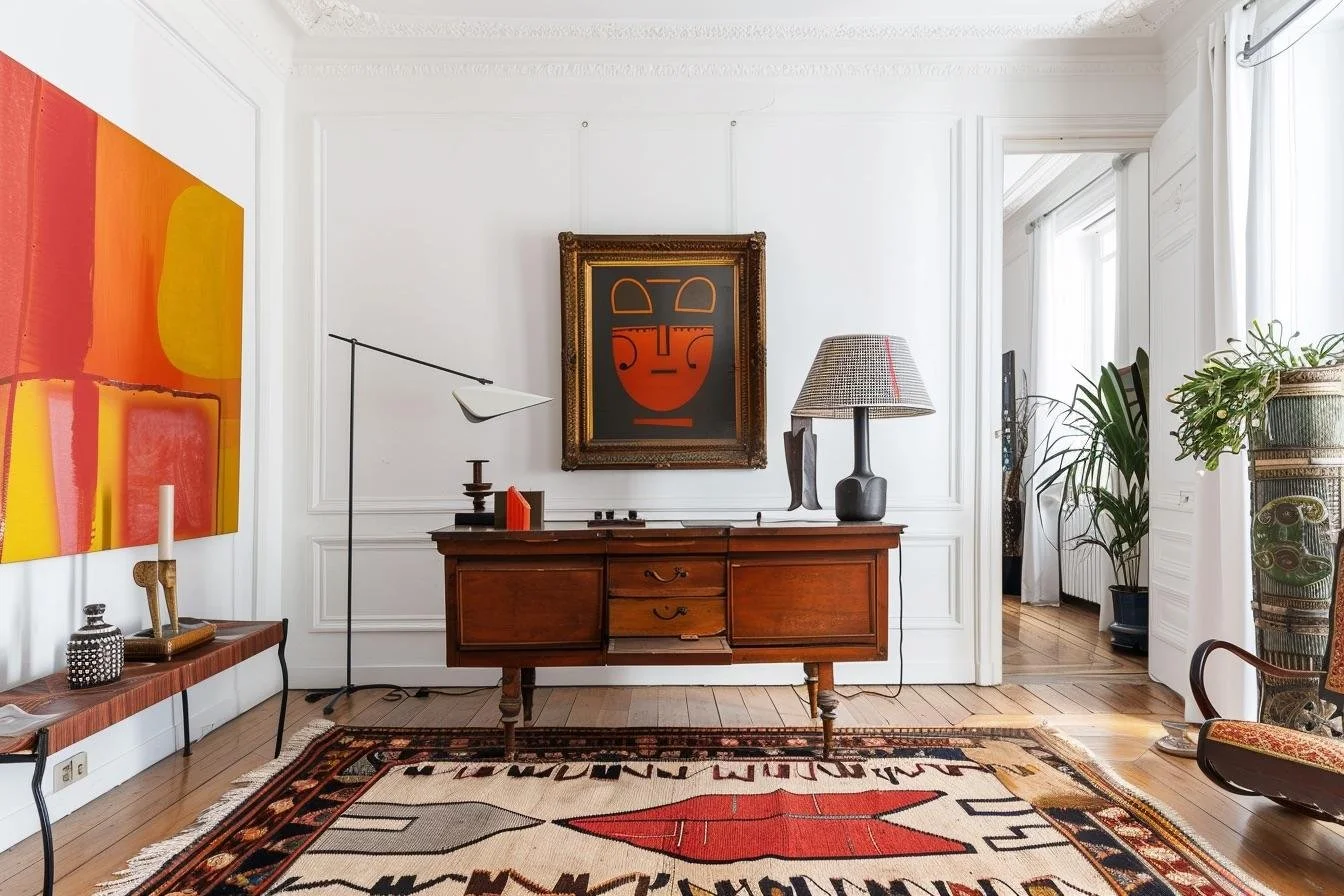
Image via Timeless Magazine