A Personal Approach to Feng Shui
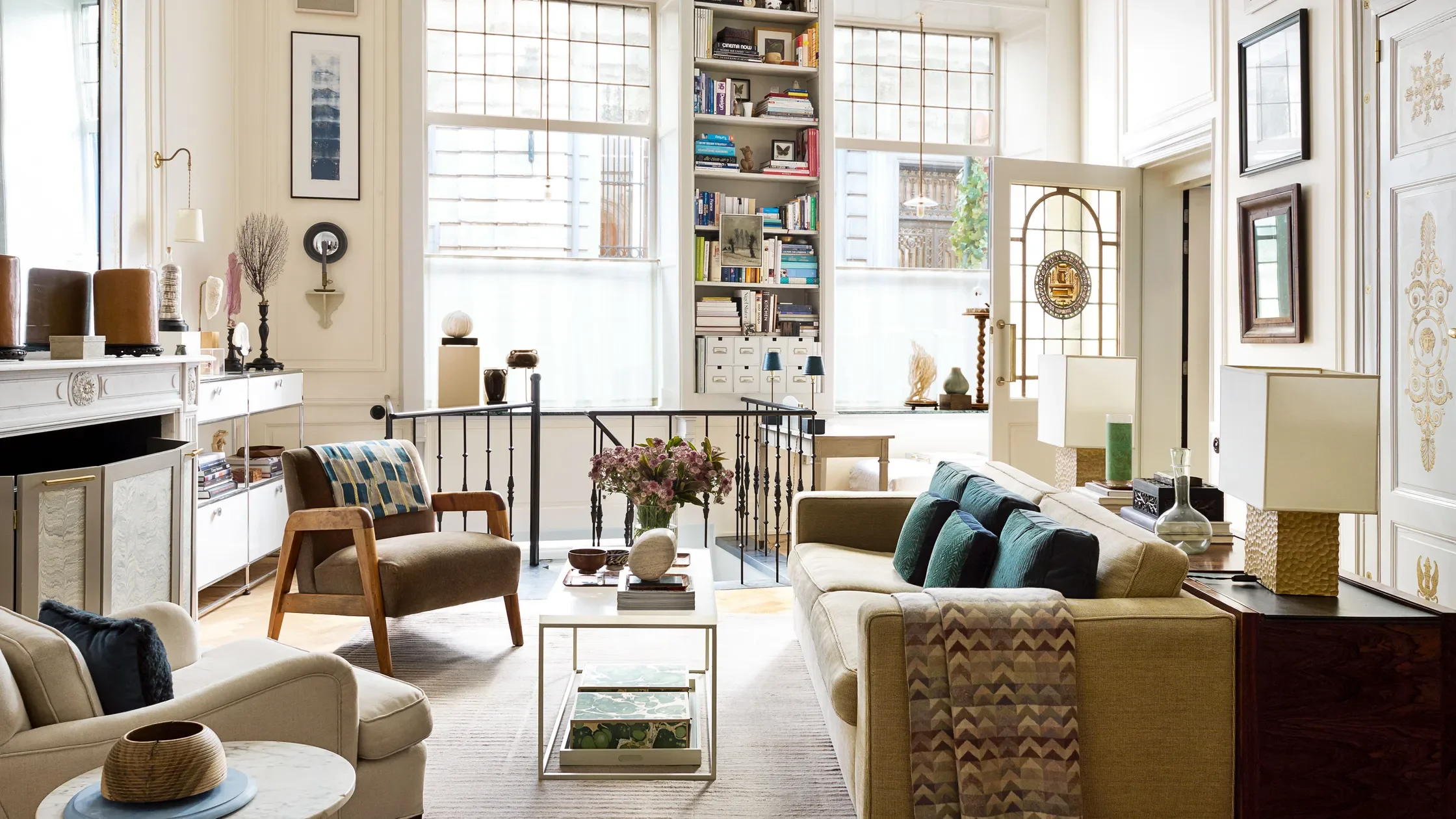
Image via AD
I believe interior design is deeply personal. A space should not only look beautiful, it should feel right for the person who lives there. My approach to design is holistic, considering how we move through a space, how we experience light, color, texture, nature, and the objects we choose to surround ourselves with. All of these elements influence how comfortable, grounded, and connected we feel in our environment.
We Each Create Our Own Feng Shui
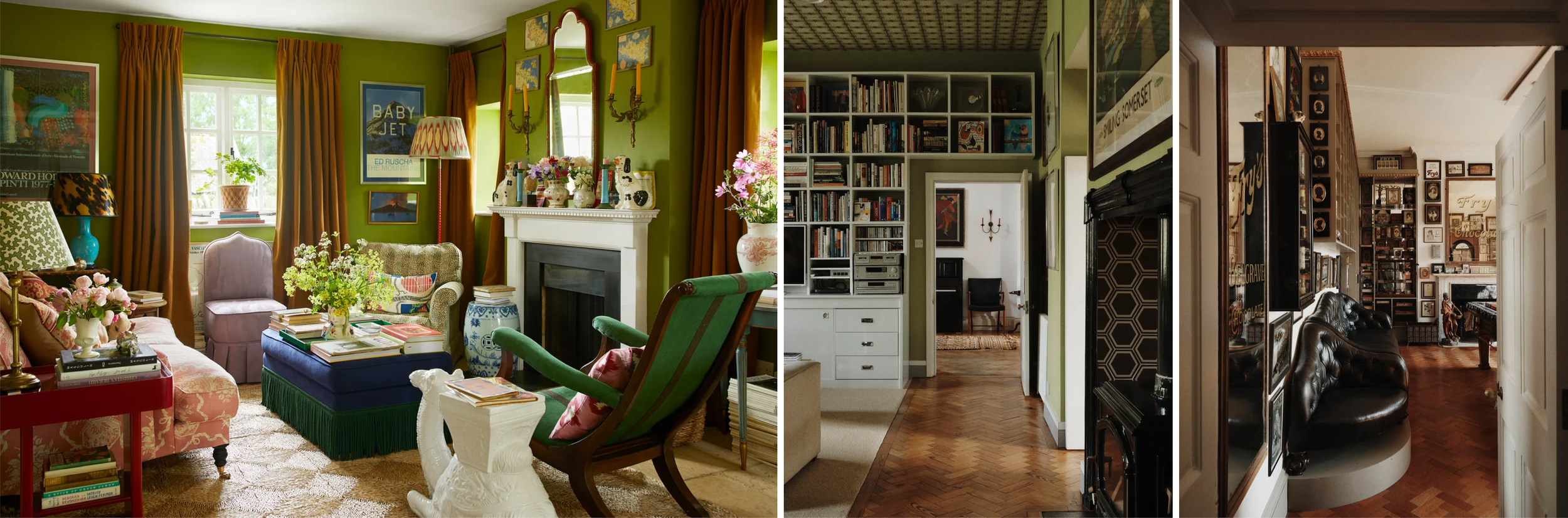
images via AD and House & Garden
I have studied feng shui for many years, and its principles have become a natural part of how I understand space. I value its teachings around balance, flow, placement, natural elements, and the relationship between people and their surroundings. At the same time, I believe feng shui should be personal. We each create our own feng shui because we each bring our own energy into a space.
There is no single formula that works for everyone. We have different personalities, cultures, histories, routines, needs, and ways of experiencing our homes. What feels peaceful to one person may feel too quiet to another. What inspires one person may overwhelm someone else. I use the principles of feng shui as a foundation, while paying close attention to the individual and what creates balance for them.
Designing Around the Person
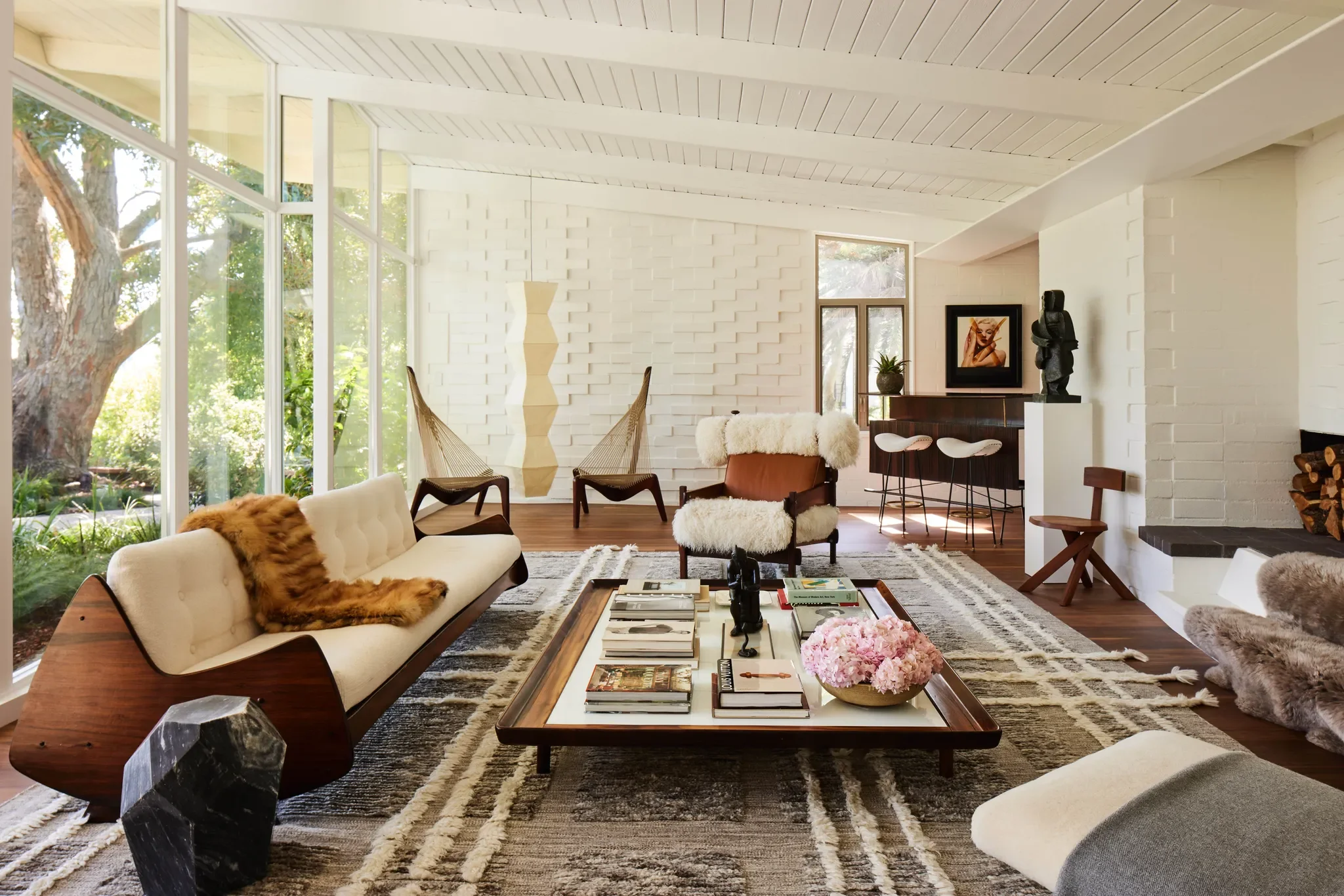
Image via AD
When I begin designing a space, I want to understand the person before deciding what the room should become. How do they live? What makes them comfortable? What do they want to feel when they come home? What gives them energy? What helps them rest? What objects, colors, materials, art, and memories are meaningful to them?
These questions matter because a home should reflect the people who live in it, rather than simply follow a trend or a prescribed aesthetic.
Feng shui can help guide decisions about circulation, furniture placement, light, color, natural elements, and the way different areas of a home relate to one another. But I believe those principles are most successful when they are interpreted thoughtfully and individually.
Creating Your Own Balance
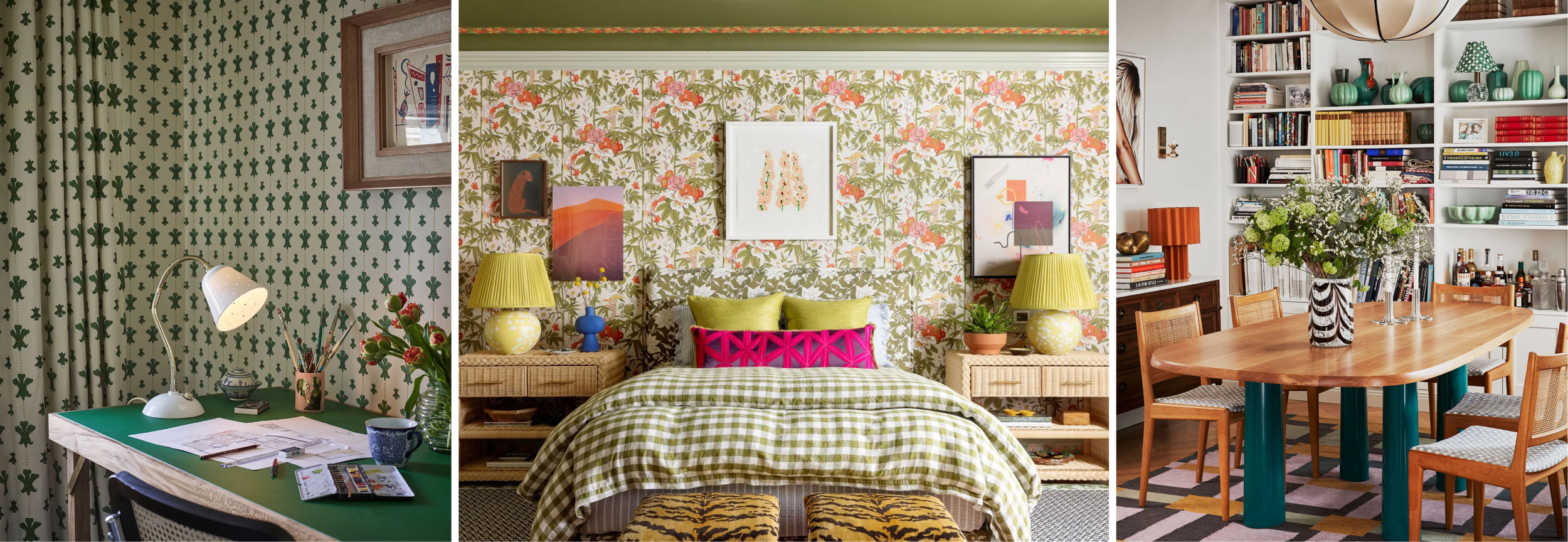
Images via House & Garden
Balance does not mean that every home should be minimal, neutral, perfectly symmetrical, or designed in the same way. A balanced interior can be colorful, layered, quiet, expressive, contemporary, traditional, or eclectic.
What matters is intention.
I believe in surrounding ourselves with things that have meaning and creating enough space for those things to be appreciated. Art, books, furniture, objects collected through travel, family pieces, plants, natural materials, and even something found unexpectedly can contribute to the energy of a home when it has a genuine connection to the person who lives there.
My role as a designer is to bring those elements together with thoughtful design principles so the space feels cohesive, functional, and personal.
A Holistic Approach to Interior Design
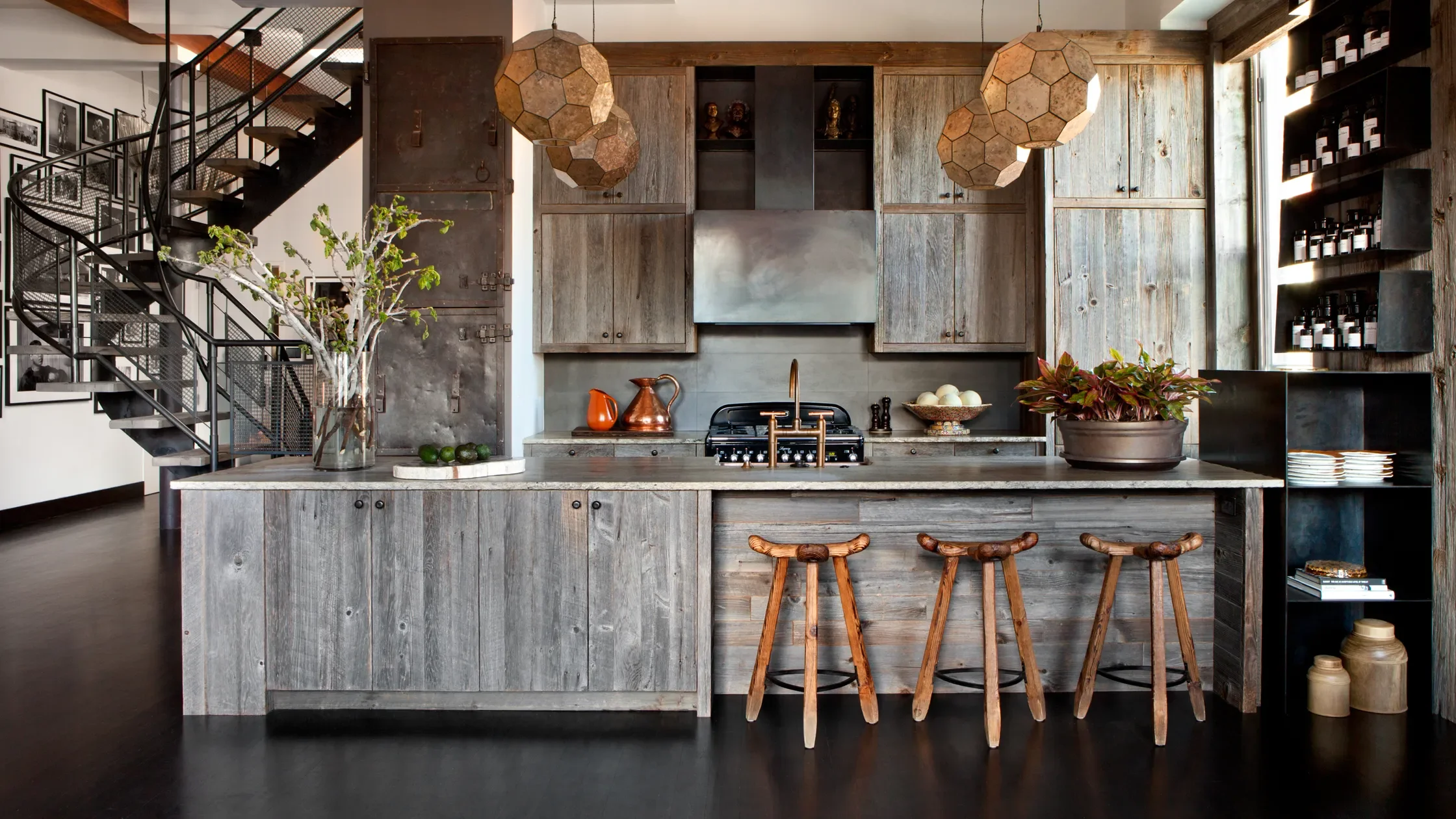
Photo: Nick Johnson via AD
For me, holistic interior design is about understanding the relationship between the person, the environment, and the way they want to live. It brings together aesthetics, function, comfort, nature, sensory experience, and the principles of feng shui, creating a space that feels balanced, intentional, and genuinely personal.
I do not believe a home needs to follow someone else's definition of perfect energy. It should support your energy, your needs, and your life. That is what I want to create for every client: a beautiful, thoughtful space that feels comfortable, connected, and truly their own.
Your home should feel like you. And your feng shui should, too.